What Actually Helps Osteoarthritis, Ranked by Evidence
If osteoarthritis treatments were ranked purely by weight of evidence, supplements would appear a long way down the list.
1. Exercise
The intervention with the strongest evidence, recommended in essentially every clinical guideline for knee and hip osteoarthritis. Strengthening the muscles around a joint reduces the load the joint itself carries, and improves function and pain.
It is also counterintuitive enough that many people avoid it — the instinct with a painful joint is to rest it, and prolonged rest generally makes osteoarthritis worse. A physiotherapist can prescribe something appropriate for your specific joint.
2. Weight management, where relevant
For knee and hip osteoarthritis, load matters directly. Body weight translates into multiplied force through the knee during walking and stair climbing, so a modest reduction has an outsized mechanical effect.
There is an inflammatory dimension too — adipose tissue is metabolically active and produces inflammatory mediators.
3. Physiotherapy and movement retraining
Beyond general exercise: correcting how you move, strengthening specific supporting muscles, and adapting daily activities. Highly individual, and better delivered by a professional than a website.
4. Appropriate analgesia
Guided by a doctor, because the right choice depends on your other conditions and medications. This is symptom management rather than disease modification, and it is often what makes exercise possible in the first place.
5. Physical aids and activity modification
Supportive footwear, walking aids, braces where appropriate, and changing how you approach tasks that provoke symptoms. Unglamorous and genuinely effective.
6. Heat and cold
Cheap, safe, modest, and worth trying — many people find one or the other helps with stiffness or flares.
7. Supplements
Here, at seven. Curcumin has the more interesting recent evidence at properly studied doses. Glucosamine and chondroitin have far more sales than supporting evidence.
This is not a claim that supplements do nothing. It is a statement about relative magnitude and evidence quality, and about where a limited budget of money and attention is best directed first.
The comparison worth sitting with
A structured exercise programme costs nothing, has decades of trial evidence, improves several other health outcomes simultaneously, and outperforms every supplement on the market for osteoarthritis. A six-bottle supplement kit costs a few hundred dollars. Both can be done at once — but only one of them should be the foundation.
What is not on the list
Anything claiming to regrow cartilage. Human cartilage has very limited regenerative capacity and no oral supplement has convincingly demonstrated rebuilding it. When a product page leads with that promise, it is describing something the evidence does not support.
Sources
Check the Label Against the Claims
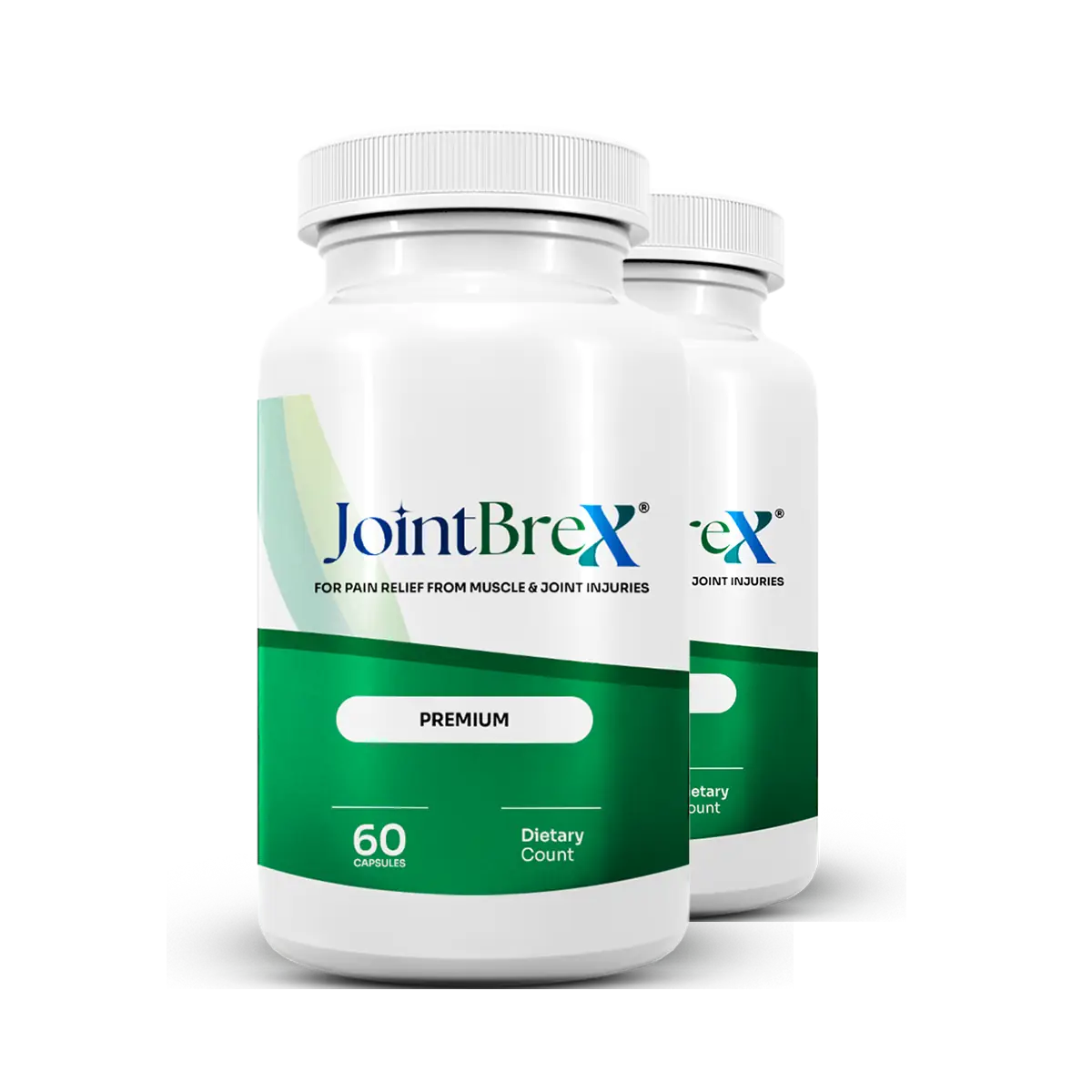
The single most useful thing you can do before buying this product is compare the Supplement Facts panel with what the sales page says is inside. Our pricing page has the current kit totals and the discrepancies laid out.
See Pricing & Warnings →