The Curcumin Dose Problem in Joint Supplements
Curcumin is one of the few supplement ingredients where the research is genuinely encouraging — which makes what most products actually contain rather frustrating.
The research is good
Curcumin, the principal active compound in turmeric, has been tested in knee osteoarthritis in a number of randomised trials. Several report meaningful reductions in pain and stiffness scores, and a few have compared favourably against NSAIDs on symptom measures with fewer gastrointestinal complaints.
Mechanistically it makes sense: curcumin interferes with NF-κB signalling and other inflammatory pathways, and osteoarthritis has a genuine inflammatory component.
The doses those trials used
Generally 500 to 1,500 mg of curcuminoids daily, often split across doses, and frequently using specialised delivery systems designed to overcome absorption problems.
That is the number to hold in mind when reading any turmeric product's label.
Where products fall down
Ratio extracts instead of standardised ones. A "4:1 turmeric extract" says how much raw root went in, not how much curcuminoid came out. It sounds substantial and usually is not.
Small standardised amounts. Thirty milligrams of a 95% extract gives about 28.5 mg of curcuminoids — technically standardised, genuinely tiny.
Turmeric powder rather than extract. Raw turmeric is only around 2 to 5% curcuminoids by weight. A 500 mg turmeric powder capsule might deliver 10 to 25 mg.
The absorption issue is real but is not the whole answer
Curcumin is poorly absorbed, and adding piperine helps enormously — the well-known 1998 study found roughly a twentyfold increase in bioavailability. Formulations that ignore this are wasting most of the dose.
But absorption enhancement multiplies what you took. Twenty times a very small number remains a small number, and no delivery technology substitutes for putting enough in the capsule.
How to check any turmeric product in thirty seconds
Find the curcuminoid percentage, multiply by the extract weight, multiply by servings per day. Compare the result to 500 mg. If you are an order of magnitude below it, the trials that made you interested in curcumin were not testing what you are holding.
Safety at higher doses
Worth saying plainly: taking more is not automatically better or safer. Concentrated curcumin increases bleeding risk with anticoagulants, can affect drug metabolism, is not advised with gallstones, and has been linked in rare cases to liver injury — more often with high-absorption formulations. If you want a properly dosed product, that is a conversation to have with a pharmacist rather than a decision to make alone.
Sources
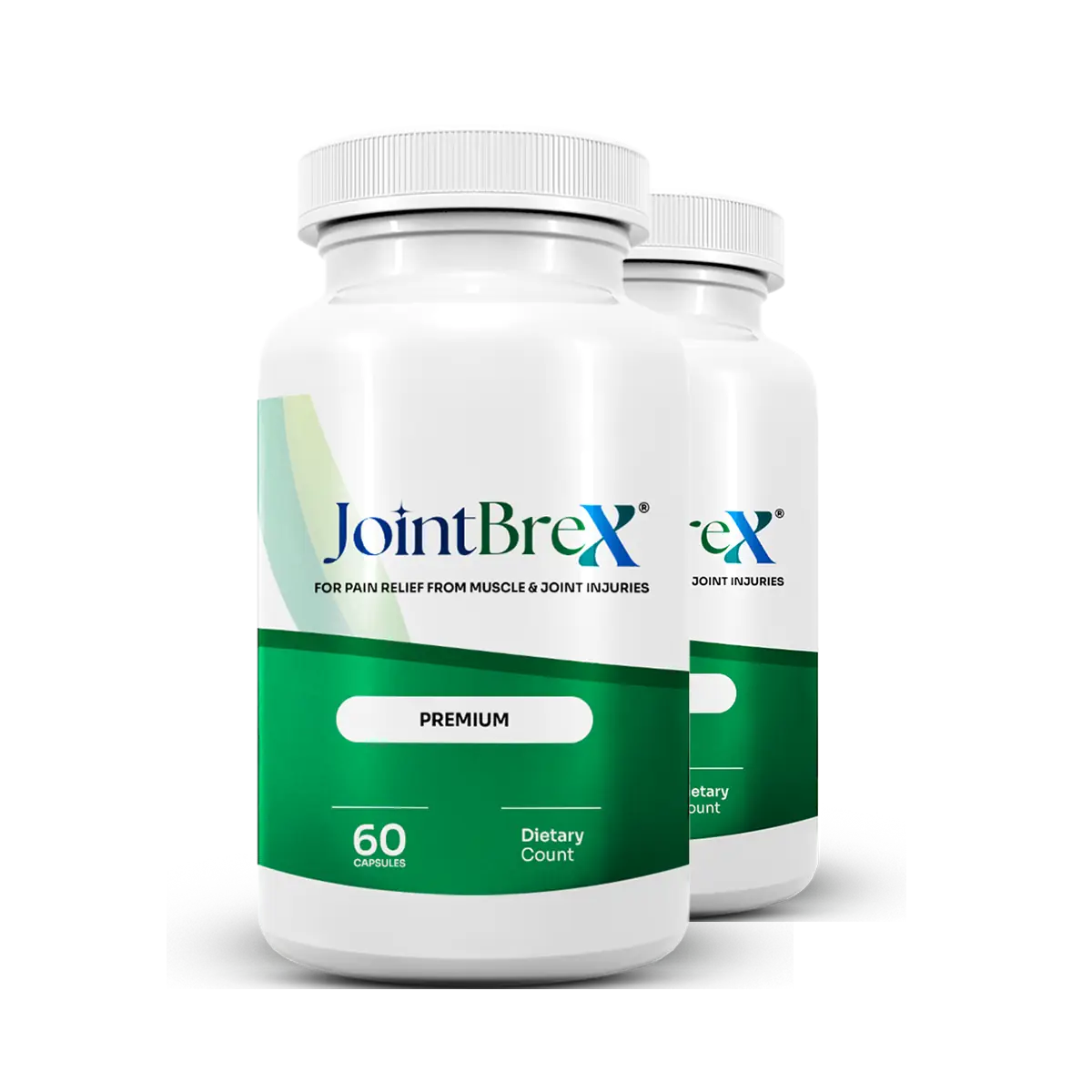
Check the Label Against the Claims
The single most useful thing you can do before buying this product is compare the Supplement Facts panel with what the sales page says is inside. Our pricing page has the current kit totals and the discrepancies laid out.
See Pricing & Warnings →