How JointBrex Is Supposed to Work
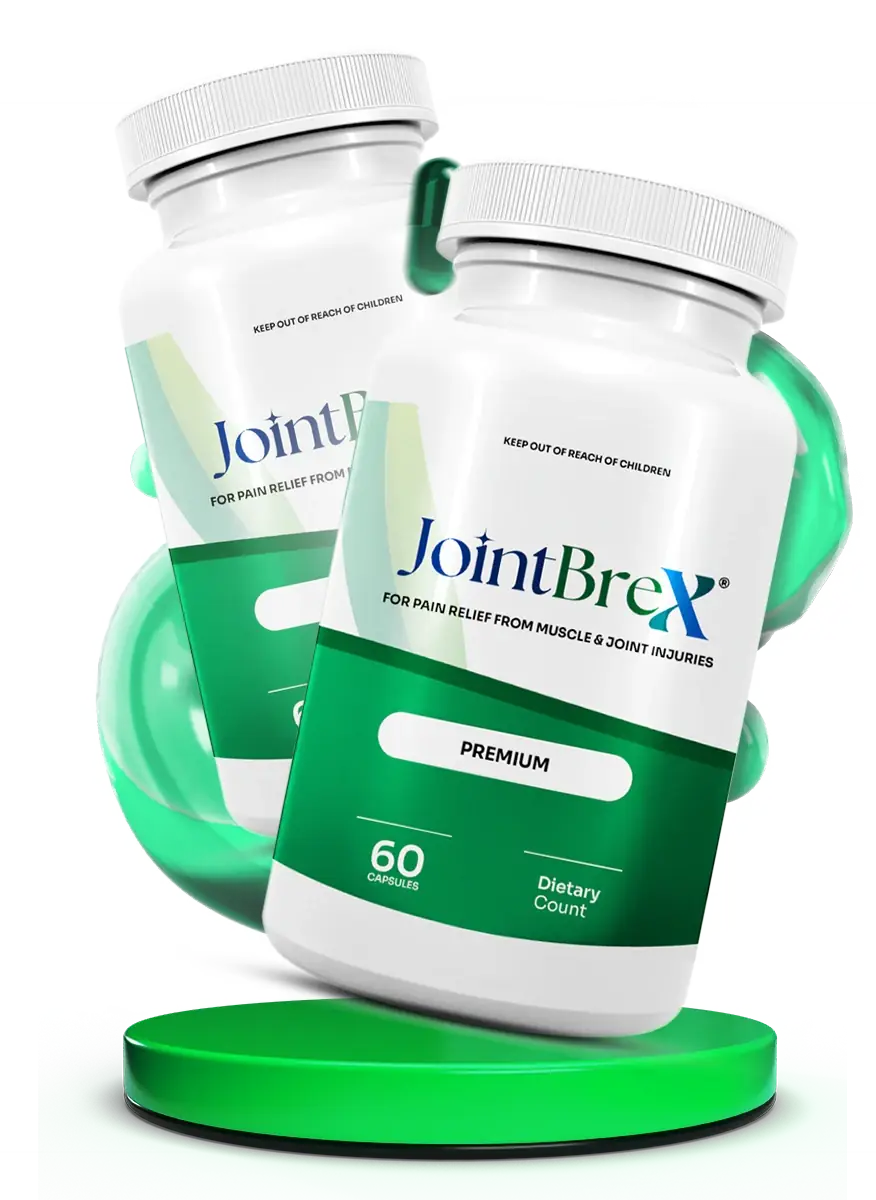
Two mechanism stories exist for this product. The one on the sales page describes cartilage regeneration. The one the label supports is narrower, more plausible, and worth taking seriously on its own terms.
The mechanism the label supports
The label's claim is that the product "helps maintain a healthy inflammatory response." That points at one thing: curcumin.
Curcumin interferes with several inflammatory signalling pathways. The best characterised is NF-κB, a transcription factor that switches on genes producing inflammatory mediators. Curcumin also affects COX-2 and lipoxygenase activity and has direct antioxidant properties.
Joint discomfort in osteoarthritis has a genuine inflammatory component, so dampening inflammatory signalling is a coherent thing to attempt. This is not invented biology.
Step two: getting it into the bloodstream
Curcumin's practical problem is absorption — poor uptake, rapid metabolism, fast clearance. Piperine addresses this by inhibiting the enzymes that would otherwise clear curcumin before it does anything, raising bioavailability substantially.
Including it demonstrates that whoever formulated this understood the actual bottleneck. Credit where due.
Step three, where it breaks down
Mechanism and absorption are both fine. Dose is not. Roughly 30 to 40 mg of curcuminoids sits far below the 500 to 1,500 mg used in the trials that gave curcumin its reputation for joint symptoms.
The honest summary of the mechanism
Every step of the chain is real — curcumin does modulate inflammatory signalling, piperine does improve its absorption, and inflammation is genuinely part of joint discomfort. The chain simply does not carry enough material through it. A well-absorbed small dose is still a small dose.
Where Coleus Forskohlii fits
Honestly, unclear. Forskolin raises intracellular cAMP, which touches a very large number of cellular processes including some inflammatory signalling. But its research base is in glaucoma, asthma, and body composition, and 15 mg of an extract of unstated strength is unlikely to contribute much either way.
The mechanism the sales page describes — and why it does not hold
The marketing describes rebuilding and hydrating worn cartilage, and strengthening connective tissue. That mechanism belongs to glucosamine, chondroitin, and MSM — none of which appear on the label.
Beyond the ingredient problem, cartilage regeneration is a claim to treat a disease process. Even when glucosamine and chondroitin genuinely are present, the evidence that oral supplementation rebuilds cartilage in humans is weak. Presenting it as established is not supportable.
What a realistic expectation looks like
If this formula does anything for you, it does so gradually, through general inflammatory-response support, at a magnitude best described as modest. Nothing here acts acutely, and nothing here repairs a joint.
Sources
JointBrex Pricing
Prices are set by the manufacturer and sold through BuyGoods. The reference sales page shows conflicting figures — confirm the total at checkout before paying.
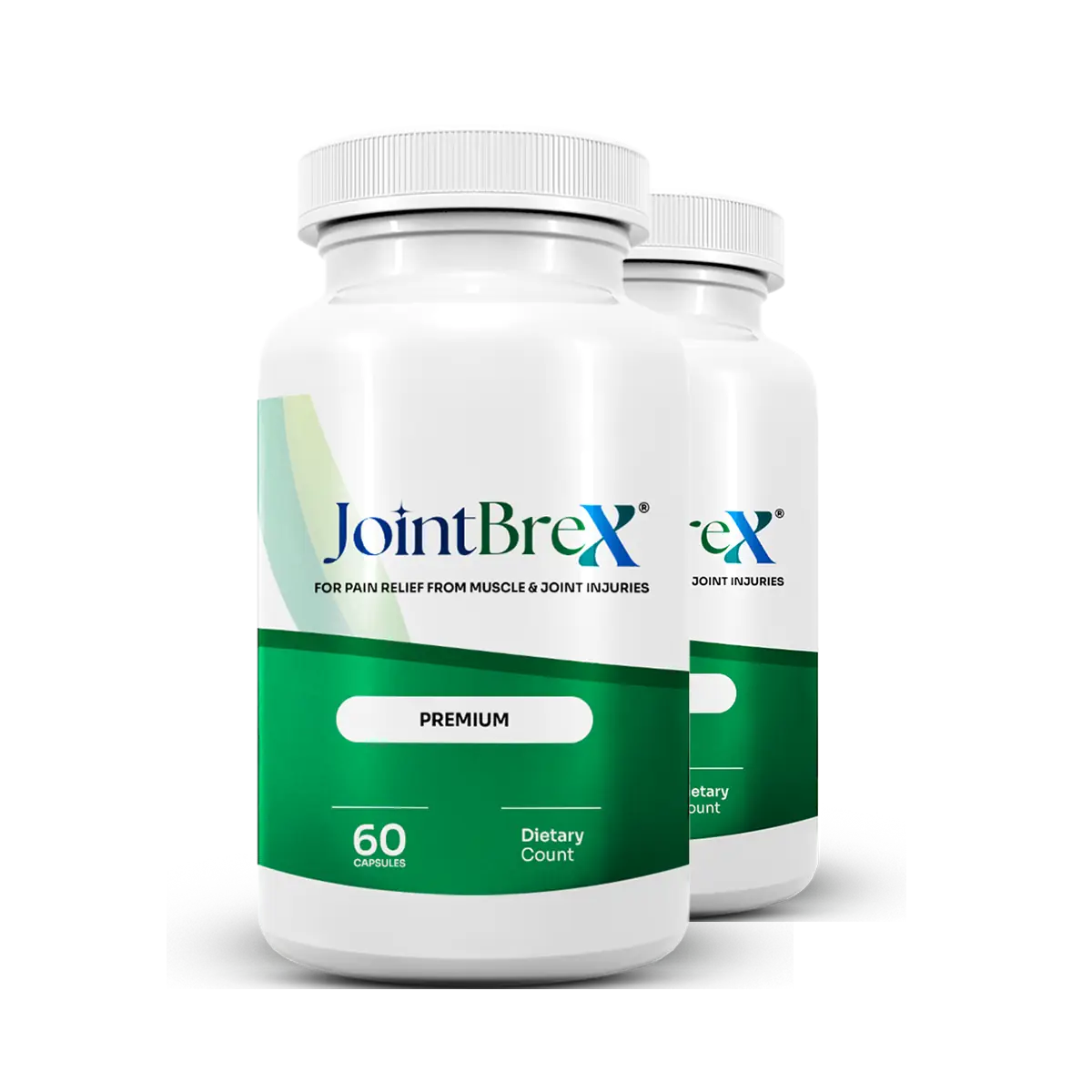
- Lowest per-bottle rate
- Includes the 5 digital bonuses
- 60-day guarantee
Struck-through figures are the manufacturer's stated reference prices; there is no evidence the product has sold at them, so judge the actual total. "See Details" opens our pricing page, which links to the official checkout. We may earn a commission at no extra cost to you.
Check the Label Against the Claims
The single most useful thing you can do before buying this product is compare the Supplement Facts panel with what the sales page says is inside. Our pricing page has the current kit totals and the discrepancies laid out.
See Pricing & Warnings →