Turmeric and Curcuminoids in JointBrex: Good Ingredient, Small Dose
Curcumin is the most studied natural anti-inflammatory compound there is. That makes the dose question unusually easy to answer — we know roughly what the trials used.
What is on the label
Two separate turmeric entries: a root extract at 4:1 concentration supplying 75 mg, and a second extract standardised to 95% curcuminoids supplying 30 mg. Together, 105 mg of turmeric material.
The standardised portion is the one that can be calculated. Thirty milligrams at 95% gives roughly 28.5 mg of actual curcuminoids. The 4:1 extract's curcuminoid content is not stated, and 4:1 extracts are typically far weaker than standardised ones — so the total curcuminoid load is somewhere in the region of 30 to 40 mg.
What the research uses
Curcumin has been tested repeatedly in knee osteoarthritis, and several trials report reductions in pain and stiffness scores. Some have compared it favourably to NSAIDs on symptom measures, which is a genuinely interesting result.
The doses in those trials generally run from 500 mg to 1,500 mg of curcuminoids per day, often split across multiple capsules. A few used lower amounts with specialised delivery systems designed to multiply absorption.
The arithmetic problem
Roughly 30 to 40 mg of curcuminoids is somewhere between a tenth and a fiftieth of the doses used in the trials this ingredient's reputation rests on. Piperine helps considerably with absorption, but it multiplies what you took — it does not substitute for taking enough.
Why absorption matters so much here
Curcumin is notoriously badly absorbed. Taken alone, most of an oral dose never reaches the bloodstream in meaningful quantity. This is the central practical problem with turmeric supplements and the reason the field is full of proprietary delivery technologies.
The classic 1998 study by Shoba and colleagues found that adding piperine — the active compound in black pepper — increased curcumin bioavailability by around twentyfold. That finding is why BioPerine appears on this label, and including it was the right call.
What curcumin is actually doing
It interferes with several inflammatory signalling pathways, including NF-κB, and has antioxidant activity. This is real biochemistry, well characterised in laboratory work. The gap, as with most supplements, is between demonstrated cellular activity and a measurable difference in how someone's knee feels.
Safety and interactions
Turmeric as a spice is very safe. Concentrated extracts carry more caution:
- Anticoagulants and antiplatelets — curcumin can increase bleeding risk with warfarin, aspirin, clopidogrel and similar drugs
- Surgery — stop at least two weeks beforehand for the same reason
- Gallstones or bile duct obstruction — turmeric stimulates bile production and is generally not advised
- Diabetes medication — curcumin may lower blood sugar, potentially adding to the effect
- Liver — rare cases of liver injury have been reported with concentrated turmeric supplements, more often with high-absorption formulations
A fair verdict
Turmeric belongs in a joint formula, and pairing it with piperine shows someone understood the absorption problem. The dose is the issue, and it is not a small one.
Sources
Also on the label
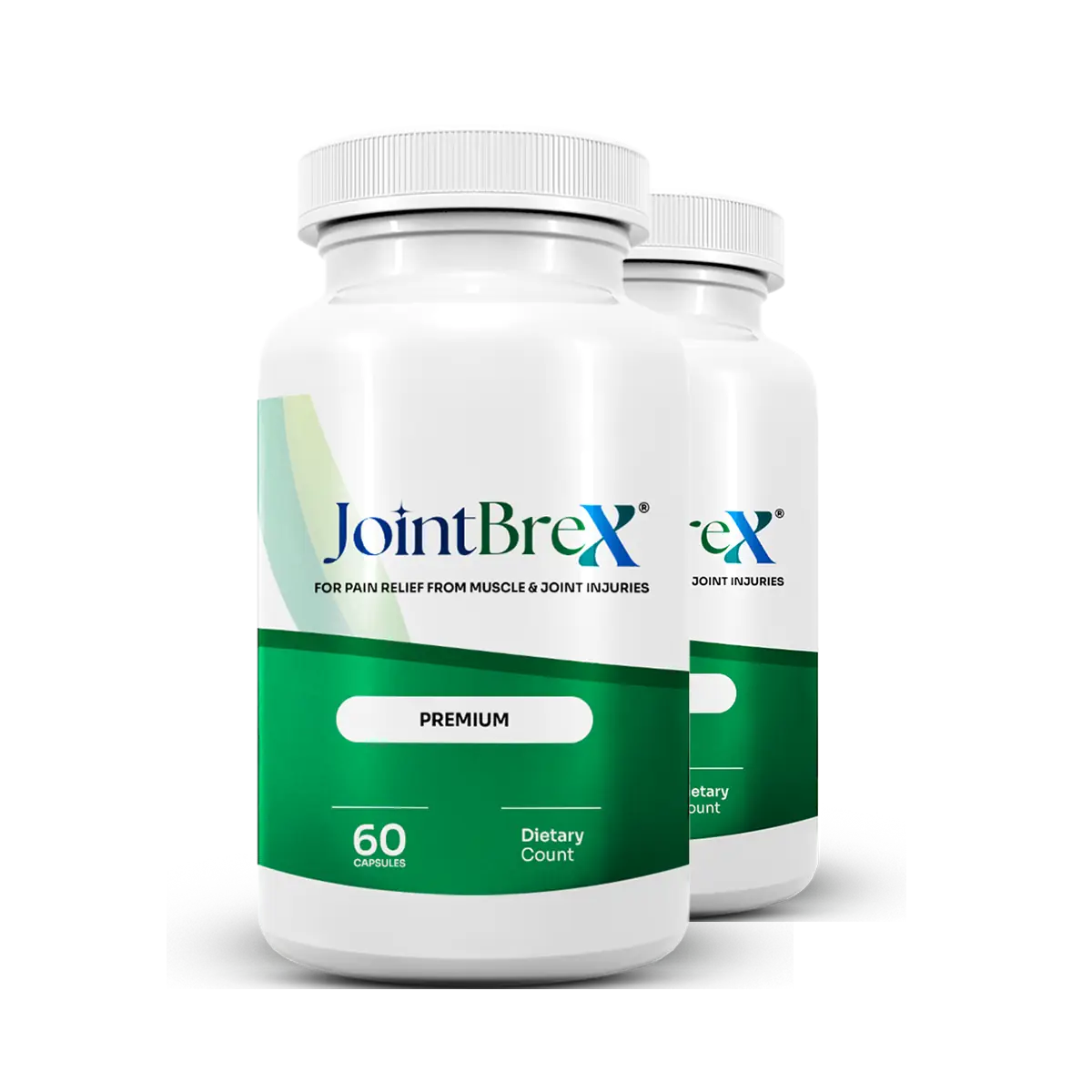
Check the Label Against the Claims
The single most useful thing you can do before buying this product is compare the Supplement Facts panel with what the sales page says is inside. Our pricing page has the current kit totals and the discrepancies laid out.
See Pricing & Warnings →