Coleus Forskohlii in JointBrex: The Ingredient That Raises Questions
If you were listing plants with a strong joint-health research base, Coleus forskohlii would not make the list. Its appearance here needs explaining.
What it is
Coleus forskohlii is a plant in the mint family, native to South Asia, with a history in Ayurvedic medicine. Its active compound is forskolin, extracted from the root.
What forskolin actually does
Forskolin activates adenylate cyclase, an enzyme that raises intracellular cyclic AMP. cAMP is a signalling molecule involved in a very wide range of cellular processes, which is why forskolin shows up in so many different research contexts — and why claiming a specific benefit from it is harder than it looks.
Where the research actually is
The bulk of forskolin research concerns:
- Glaucoma — reducing intraocular pressure, the most established application
- Asthma — bronchodilation via cAMP-mediated smooth muscle relaxation
- Body composition — small studies on fat metabolism, widely over-marketed and poorly supported
- Cardiovascular effects — vasodilation and blood pressure reduction
Joint health does not feature prominently. There is some laboratory work on cAMP signalling and inflammatory mediators, which is presumably the rationale, but it is a long way from evidence that forskolin relieves joint symptoms in people.
And the dose is small
The label lists 15 mg of Coleus Forskohlii extract without stating the forskolin percentage. Extracts are commonly standardised to 10% or 20% forskolin, which would put the actual forskolin content somewhere around 1.5 to 3 mg if those are the standards used. Studies on forskolin generally use considerably more.
Interactions worth raising
- Blood pressure medication — forskolin lowers blood pressure and may add to the effect of antihypertensives
- Nitrates and other vasodilators — same additive concern
- Anticoagulants — forskolin may inhibit platelet aggregation, increasing bleeding risk alongside curcumin's similar effect
- Stomach acid — forskolin can increase gastric acid secretion, relevant if you have ulcers or reflux
The honest read
This is the ingredient on the label that makes least sense for a product sold for joint comfort. It is not dangerous at this dose in a healthy adult, but neither the research base nor the amount supports a meaningful contribution to joint symptoms. Its presence is one of several reasons to read this formula sceptically.
Sources
Also on the label
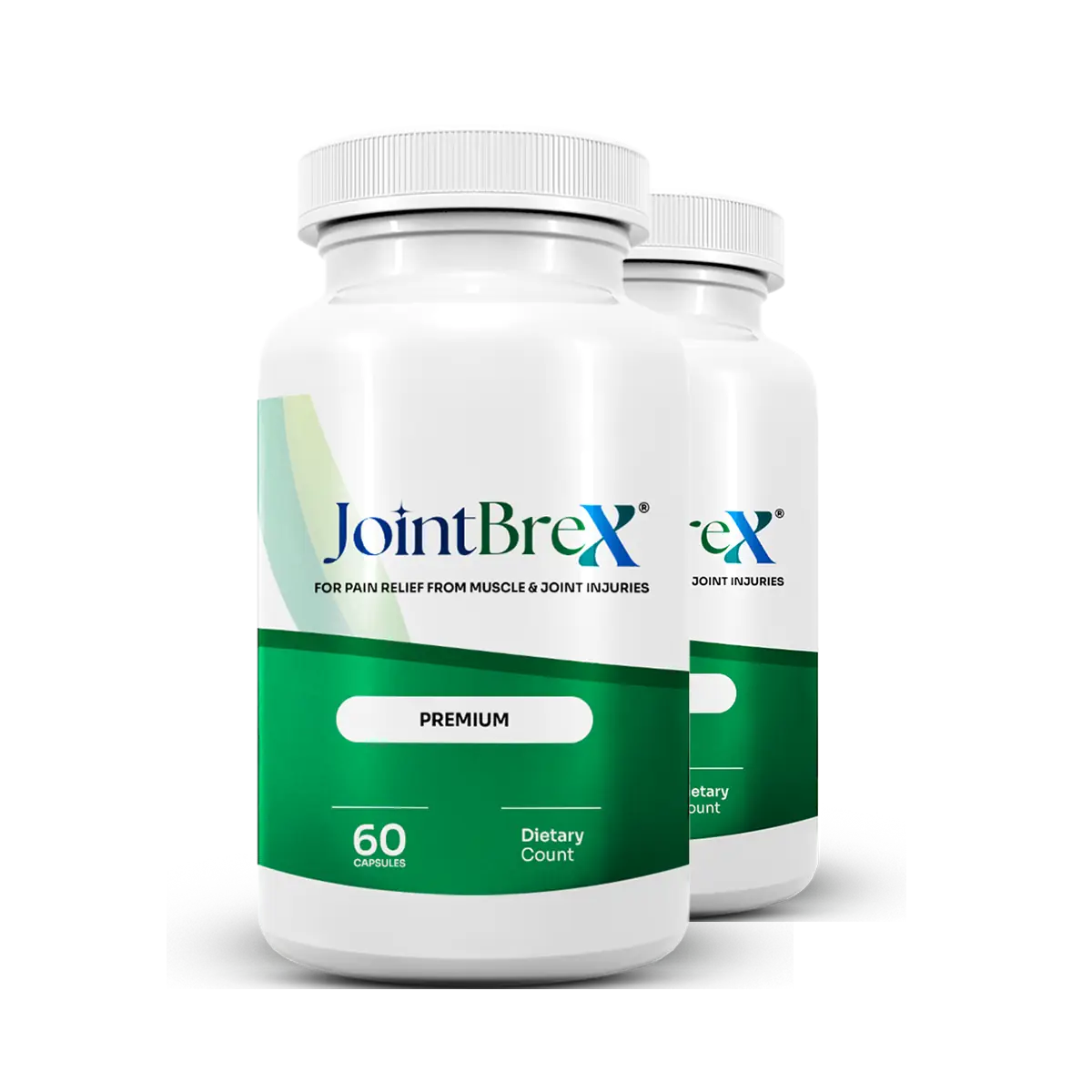
Check the Label Against the Claims
The single most useful thing you can do before buying this product is compare the Supplement Facts panel with what the sales page says is inside. Our pricing page has the current kit totals and the discrepancies laid out.
See Pricing & Warnings →