Nine Red Flags on a Supplement Sales Page
Supplement landing pages are built from a small number of repeating templates. Once you recognise the parts, evaluating one takes a few minutes.
1. Disease claims
Supplements may say a product supports normal function. They may not say it treats, cures, or prevents disease. Language like "eliminate joint pain", "rebuild cartilage", or "targets the root cause" of a condition has crossed that line, and a page willing to cross it is a page worth distrusting generally.
2. Ingredients that do not appear on the panel
The single most valuable check, and almost nobody does it. Open the Supplement Facts panel and confirm each advertised ingredient actually appears. We found five that did not on the product this site covers — see the label check.
3. Countdown timers and stock warnings
A timer that resets on refresh is not a deadline. "Limited stock due to small-batch production" is a persuasion technique, not a supply chain fact. Neither tells you anything about the product.
4. Reference prices with no history
"$1,074, now $294" invites arithmetic about savings rather than judgement about value. Cover the struck-through figure and ask whether the real price is worth paying.
5. Pricing tables that disagree
Rarer, and a genuine warning sign about how carefully the page was assembled. The reference page for this product shows three pricing tables with conflicting figures for the same quantities.
6. Citations that do not match the product
Long reference lists look authoritative and are rarely checked. Read a few titles. The page we reviewed lists ten studies on gut microbiota, type 2 diabetes, Gymnema Sylvestre, grape seed, green tea, and African mango — on a joint supplement. Not one concerns any ingredient in the formula.
7. Testimonials with unverifiable specifics
Full names, cities, ages, and "verified purchase" badges create an impression of verification without providing any. Watch for a disclaimer elsewhere on the same page noting that names and identifying details have been changed.
8. Review counts with no platform
"Rated 5 stars based on 21,469 reviews" means nothing without a link to somewhere those reviews can be read. If you cannot click through to them, treat the number as decoration.
9. Bonuses aimed at a different condition
An unusual one, but revealing. The five digital bonuses offered with this product all concern peripheral neuropathy — burning, numbness, tingling in hands and feet — rather than joints. Along with a misdirected reference list and an expert quote about vertigo, it suggests a page assembled from another product's template.
The underlying principle
None of these tell you whether an ingredient works. They tell you how much care went into the page, and therefore how much weight its factual claims can bear. A page that gets the citations, the bonuses, and the ingredient list wrong has not earned trust on the parts you cannot check.
Sources
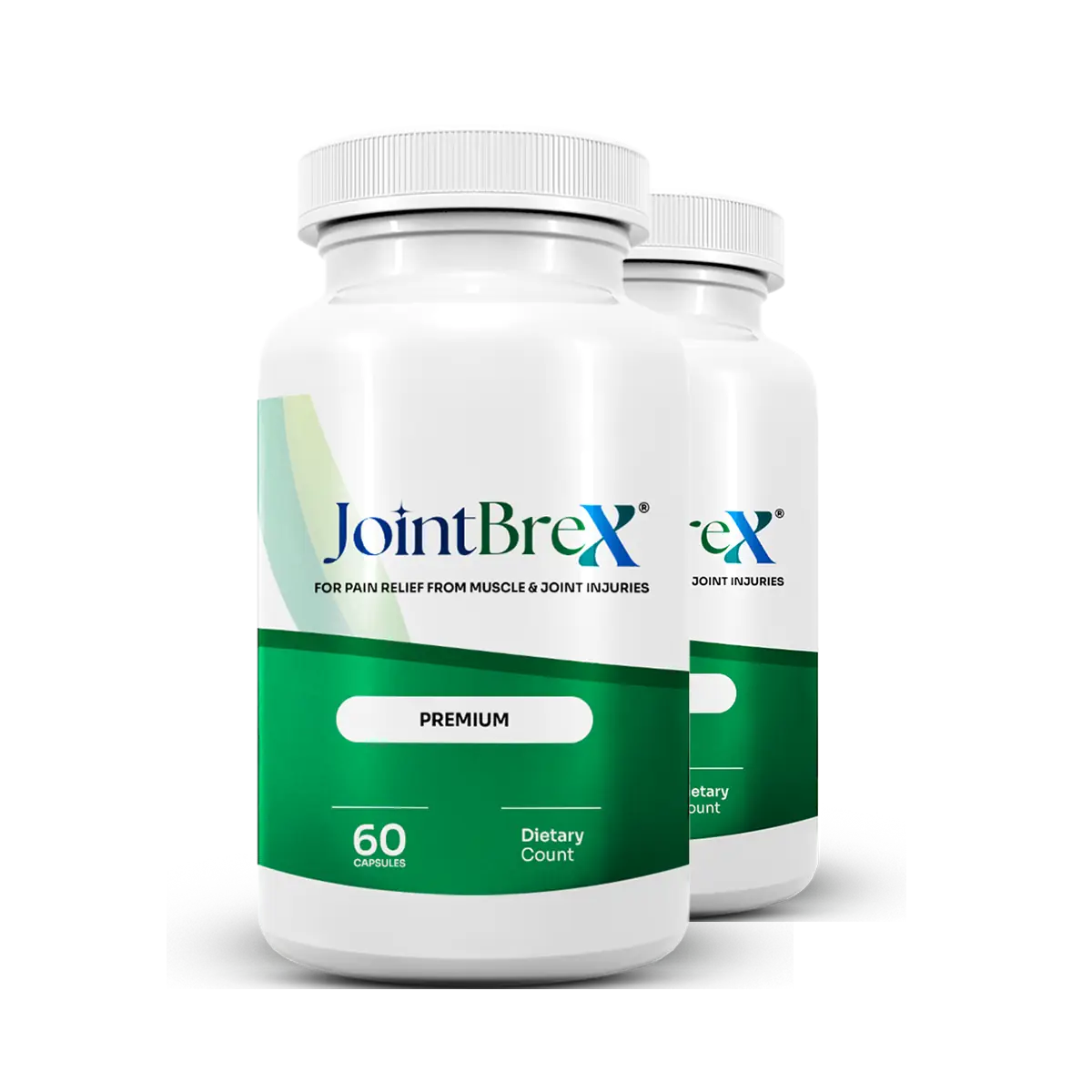
Check the Label Against the Claims
The single most useful thing you can do before buying this product is compare the Supplement Facts panel with what the sales page says is inside. Our pricing page has the current kit totals and the discrepancies laid out.
See Pricing & Warnings →