Joint Pain Red Flags: When a Supplement Is the Wrong Answer
The most important thing on any joint supplement website should be the list of symptoms that mean you should close the tab and call a doctor.
Why this page exists
Osteoarthritis — the gradual wear-related joint pain most joint supplements target — is common, slow, and not urgent. Several other conditions produce joint pain and are none of those things. Supplements marketed for "joint discomfort" do not distinguish between them, and a delay in diagnosis can cost joint function permanently.
Symptoms that need prompt medical assessment
- A hot, red, swollen joint, particularly a single joint, particularly with fever. This can indicate septic arthritis, which is a medical emergency and can destroy a joint within days.
- Morning stiffness lasting more than an hour. A classic feature of inflammatory arthritis such as rheumatoid arthritis, as opposed to osteoarthritis where stiffness typically eases within about thirty minutes.
- Joint pain with fever, rash, or unexplained weight loss. Suggests a systemic process rather than local wear.
- Symmetrical small-joint pain — both hands, both wrists — especially with swelling. Another inflammatory arthritis pattern.
- Pain that wakes you at night or is present at rest rather than with use.
- Sudden severe pain in one joint, often the big toe, with redness and extreme tenderness. Possible gout, which is very treatable.
- Joint pain after an injury, or sudden inability to bear weight or use a joint.
- Any joint symptoms in a child. Always assessed medically.
The reason this is urgent rather than cautious
Rheumatoid arthritis has a window early in the disease where treatment substantially changes long-term joint damage. Septic arthritis can destroy cartilage in days. Gout is straightforwardly treatable. In each case, months spent trying supplements first is time that cannot be recovered.
What typical osteoarthritis looks like instead
Gradual onset over years, worse with use and better with rest, morning stiffness easing within about half an hour, often affecting knees, hips, hands, or spine, frequently asymmetrical, and without fever or systemic symptoms.
That is the picture where a supplement is a reasonable thing to consider — after, not instead of, the interventions with the best evidence.
What has the strongest evidence for osteoarthritis
Exercise and physiotherapy, weight management where relevant, appropriate analgesia guided by a doctor, and activity modification. None of these are exciting and all of them outperform anything sold in a bottle.
A reasonable order of operations
Get a diagnosis first. Address the fundamentals second. Consider a supplement third, with realistic expectations and your doctor's knowledge — particularly given how many joint supplement ingredients interact with common medications.
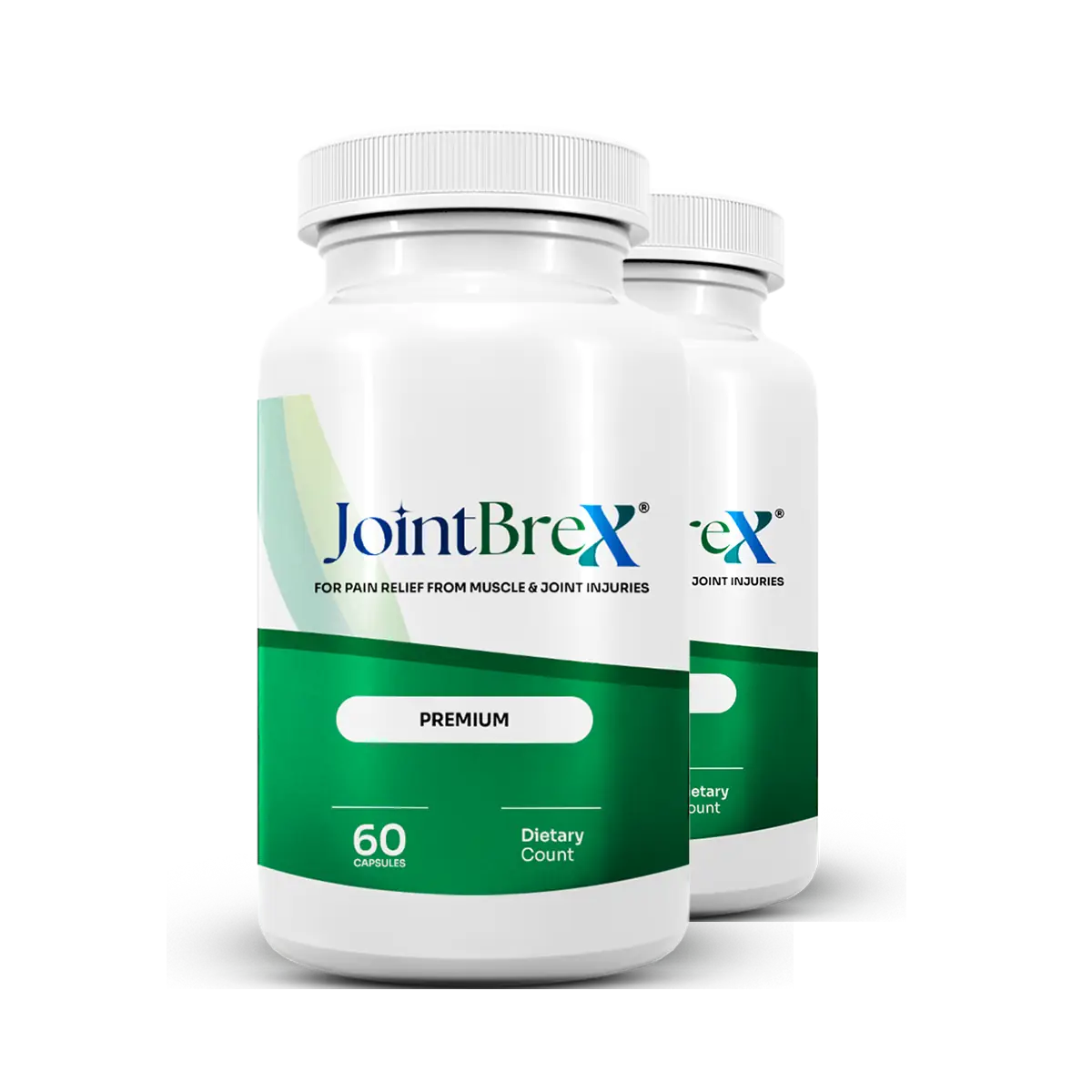
Check the Label Against the Claims
The single most useful thing you can do before buying this product is compare the Supplement Facts panel with what the sales page says is inside. Our pricing page has the current kit totals and the discrepancies laid out.
See Pricing & Warnings →